Travel Guide

Travel Guide, Travel News, Travel Tips

Best Places to Travel: Why Bali Stands Out as a Top Destination?

Best Places to Travel: Why Bali Stands Out as a Top Destination? When people search for the best places to travel, Bali consistently ranks at the top. The island offers a complete travel experience that combines nature, culture, hospitality, and accessibility in one destination. In 2026, Bali continues to stand out among global destinations. Many travelers choose Bali not just for a holiday, but for a deeper experience that blends relaxation and exploration. Here is why Bali deserves its place among the best places to travel in the world. 1. Unique Culture You Can Experience Daily One of the main reasons Bali is considered one of the best places to travel is its living culture. Balinese traditions are part of everyday life: Unlike many destinations where culture is only shown in attractions, Bali allows you to experience it naturally. 2. Diverse Landscapes in One Island Bali offers a wide range of landscapes within short distances. You can explore: This variety makes Bali more efficient compared to other destinations where you need long travel times between attractions. 3. Strong Hospitality and Friendly Locals Balinese hospitality is one of the strongest reasons Bali is listed among the best places to travel. Locals are known for being: This creates a comfortable environment, especially for first time visitors. 4. Wide Range of Travel Experiences Bali fits many types of travelers. You can find: Few destinations offer this level of variety in one place. 5. Affordable Compared to Other Global Destinations Compared to other popular destinations, Bali offers strong value. Travelers can enjoy: Even luxury experiences in Bali are often more accessible than in other countries. 6. Food Variety from Local to International Bali is not only about local cuisine. It also offers international dining options. You can easily find: This variety makes Bali comfortable for all types of travelers. 7. Easy Access and Tourism Infrastructure Bali is well prepared for international tourism. Key advantages: This makes Bali easier to navigate compared to many other destinations. 8. Perfect Balance Between Relaxation and Adventure Bali allows travelers to choose their pace. You can: This balance is one of the reasons Bali remains one of the best places to travel year after year. 9. Strong Global Reputation in 2026 In 2026, Bali continues to receive recognition as one of the world’s top travel destinations. Its consistent ranking is driven by traveler satisfaction, accessibility, and experience diversity. Many destinations offer one or two strong attractions. Bali offers everything in one island. 10. Easy to Explore with Organized Trips Exploring Bali becomes easier with proper planning. Many travelers choose a bali tour package to: This approach is especially useful for first time visitors. Why Bali Remains One of the Best Places to Travel Bali is not just popular. It is consistently relevant. The island combines culture, nature, and modern tourism in a way that few destinations can match. If you are deciding on the best places to travel in 2026, Bali offers one of the most complete and balanced travel experiences available. To make your trip more efficient, Bali Traveller can help you arrange transport, tours, and customized itineraries. This ensures you can explore the best of Bali without unnecessary complications.

Travel Guide, Travel News, Travel Tips

The Ultimate Bali Travel Guide & Essential Tips: Discovering the Island of the Gods

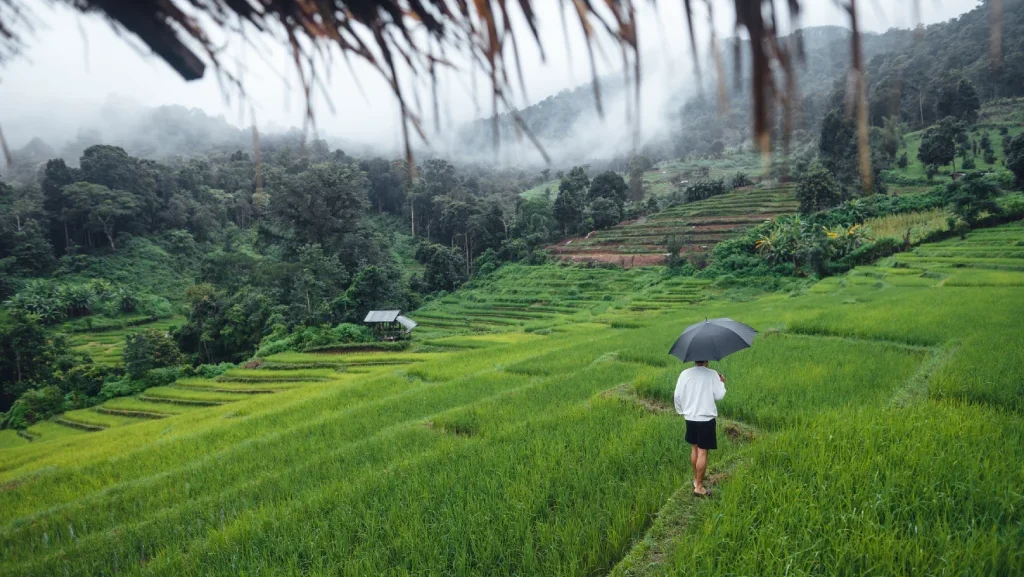
The Ultimate Bali Travel Guide & Essential Tips: Discovering the Island of the Gods Bali never fails to captivate. However, modern travel trends show a significant shift: travelers are no longer just chasing viral, photo-centric spots; they are yearning for a slower, more meaningful connection with local culture, nature, and community. If you are planning an escape to this tropical paradise, here is your ultimate Bali travel guide and essential navigation tips to ensure a seamless, respectful, and unforgettable journey. 1. Choosing the Perfect Time to Visit Bali enjoys a tropical climate with two distinct seasons, each offering a completely different vibe and travel experience. Choosing the right month can drastically impact your itinerary. 📷 The Dry Season (April – October) Characterized by clear blue skies, low humidity, and a cool evening breeze. This is the prime time for outdoor adventures, surfing, trekking Mount Batur, and chasing legendary sunsets. 🌧️ The Wet Season (November – March) The island transforms into a lush, vibrant green paradise, particularly in the highlands. While afternoon tropical showers are common, traveling during the rainy season offers great perks: 2. Iconic Hotspots vs. Hidden Gems: Crafting Your Itinerary To create a perfectly balanced Bali itinerary, you should blend the island’s famous cultural hubs with its untouched, serene landscapes. 🌿 Ubud: The Cultural and Spiritual Heart Ubud is the place to slow down, practice yoga, and connect with nature. Enjoy an early morning stroll along the Campuhan Ridge Walk or immerse yourself in the soothing green expanse of traditional terraced rice fields. 🌊 Uluwatu: Dramatic Cliffs and Epic Sunsets Perched on the southwestern tip of the Bukit Peninsula, Uluwatu offers jaw-dropping views of the open ocean from towering limestone cliffs. It is also home to Pura Luhur Uluwatu, one of Bali’s most sacred sea temples, famous for its daily sunset Kecak Fire Dance performance. ⛰️ Off-the-Beaten-Path Exploration (Hidden Gems) If you want to escape the traffic of Canggu or Seminyak, add these destinations to your bucket list: Munduk: A cool, misty mountain village in North Bali, famous for its hidden waterfalls (like Munduk and Melanting), twin lakes, and lush clove and coffee plantations. Sidemen: A pristine valley in Karangasem offering raw rice terrace views against the majestic backdrop of Mount Agung. Perfect for trekking and cultural immersion. 3. Practical Navigation & Transportation Tips Getting around Bali requires a bit of strategy to ensure you don’t spend your precious holiday stuck in gridlocks. Here is a breakdown of the best way to travel around the island: Mode of Transport Pros Crucial Notes / Requirements Scooter Rental Highly agile, cost-effective, and ideal for beating heavy traffic in short distances. Mandatory: You must have an International Driving Permit (IDP), a valid motorcycle license, and always wear a helmet. Private Car + Driver Comfortable, air-conditioned, and stress-free; perfect for families or long day-trips. The best choice for cross-regional travel (e.g., traveling from South Bali to the North or East coast). Ride-Hailing Apps (Grab / Gojek) Convenient, on-demand, and transparent pricing for urban areas. Be mindful of local ‘No Online Transport’ zones enforced by traditional villages (Banjar) in specific tourist spots. 4. Essential Cultural Etiquette for Travelers Balinese culture is deeply rooted in Hinduism and daily rituals. Showing respect to local customs ensures a welcoming experience. Ready to Explore the Island of the Gods? Whether you are chasing the surf in Uluwatu, finding peace in Ubud, or exploring the quiet roads of Munduk, Bali offers something magical for every type of traveler. Plan your trip mindfully, respect the local heritage, and let the island work its magic on you. What’s your dream Bali destination? Let us know in the comments below!

Blog, Travel Guide

Things to Do in Kintamani. A Guide to Explore Bali’s Highland Volcano Landscape

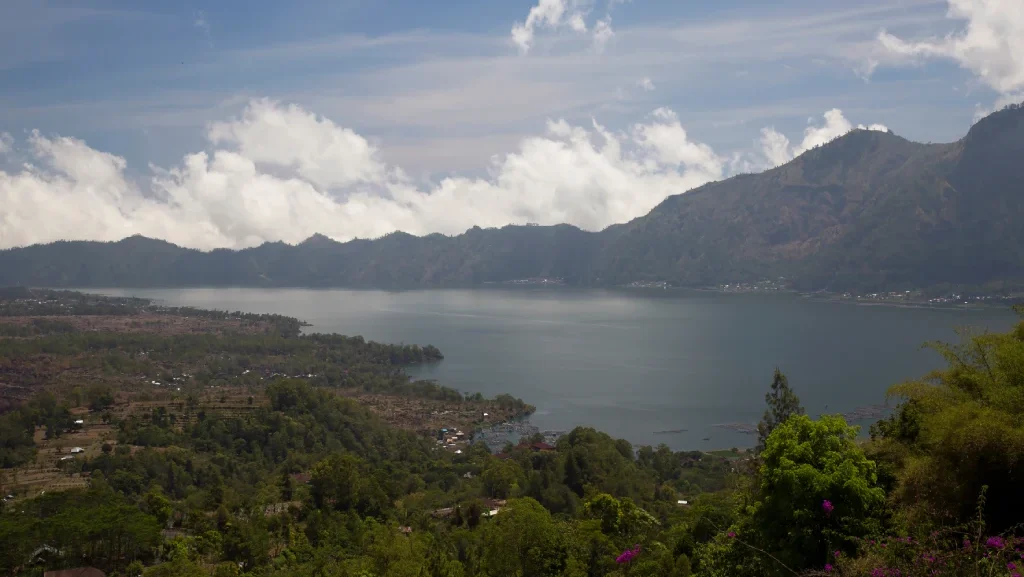
Kintamani is one of the most scenic regions in Bali. Located in the island’s highlands, this area offers cooler temperatures, dramatic volcanic landscapes, and wide views of Mount Batur and Lake Batur. Travelers visit Kintamani to experience nature, culture, and quieter villages away from coastal crowds. If you are planning a trip to the highlands, knowing the best things to do in Kintamani will help you organize your day efficiently. Many attractions sit close to each other, which makes the area ideal for a full day exploration. Here are twelve experiences worth including in your Kintamani itinerary. 1. Enjoy the View of Mount Batur Mount Batur is the main highlight of Kintamani. The active volcano stands beside Lake Batur and creates one of the most recognizable landscapes in Bali. Several viewpoints along the main road offer panoramic views. Many restaurants and cafes also face the volcano, allowing visitors to enjoy breakfast or lunch with the scenery. 2. Sunrise Trekking on Mount Batur Mount Batur sunrise trekking is one of Bali’s most popular outdoor activities. The hike usually starts around 2 or 3 AM with a local guide. After reaching the summit, travelers watch the sunrise over Lake Batur and surrounding mountains. The view often includes Mount Agung in the distance. 3. Visit Lake Batur Lake Batur sits at the base of the volcano and is the largest lake in Bali. The calm water reflects the surrounding hills and villages. Visitors often stop here for photos, relaxing walks, or local boat rides. 4. Explore Toya Devasya Hot Springs Toya Devasya offers natural hot spring pools overlooking Lake Batur. The warm mineral water comes from volcanic activity beneath the mountain. Many travelers visit the hot springs after hiking Mount Batur to relax their muscles. 5. Discover Pura Ulun Danu Batur Temple Pura Ulun Danu Batur is one of the most important temples in Bali. It is dedicated to the goddess of lakes and water sources. The temple complex includes several courtyards and traditional Balinese architecture. Visitors must wear a sarong when entering. 6. Visit the Traditional Village of Trunyan Trunyan Village sits across Lake Batur and is known for its unique burial tradition. Instead of cremation, bodies are placed in a designated area beneath a sacred tree. The village can be reached by boat from the lake shore. 7. Explore the Black Lava Fields Past eruptions from Mount Batur created large areas of black lava rock. These fields form a dramatic contrast against the green hills and lake. Many visitors explore this area with a jeep tour, which allows access to volcanic terrain. 8. Try a Kintamani Coffee Experience The highlands of Kintamani produce coffee due to the fertile volcanic soil. Several plantations offer coffee tastings and tours. Visitors can learn about the cultivation process while enjoying views of the surrounding mountains. 9. Visit the Batur Geopark Museum The Batur Geopark Museum explains the geological history of Mount Batur and the surrounding area. Exhibits show volcanic formations, rock samples, and environmental information. It is a good stop for travelers who want to understand the landscape more deeply. 10. Enjoy Local Restaurants with Volcano Views Many restaurants in Kintamani face Mount Batur and Lake Batur. Dining here allows travelers to enjoy the scenery while trying Balinese or Indonesian dishes. Lunch stops are common during day tours through the highlands. 11. Visit Nearby Waterfalls Several waterfalls sit within driving distance of Kintamani. These include hidden jungle waterfalls that can be combined with village visits. Waterfall stops add variety to a Kintamani day trip. 12. Explore Villages and Scenic Roads The road network around Kintamani passes through small villages, farms, and forests. Driving through these areas shows a different side of Bali that many visitors miss. Many travelers combine this region with other destinations through a bali tour package, which allows them to see waterfalls, villages, and volcanic landscapes in one organized itinerary. Explore Kintamani with a Guided Tour Kintamani offers one of the most diverse landscapes in Bali. Volcano views, temples, lakes, and natural hot springs create a full day of exploration. If you want to experience the highlights without planning the logistics yourself, you can join a Kintamani tour through Bali Traveller. One of the recommended options is the Waterfall Village Volcano tour, which combines scenic viewpoints, waterfalls, and cultural stops. With the right itinerary, the best things to do in Kintamani can be experienced in one well planned journey through Bali’s highland landscape.

Travel Guide, Travel Tips

Rainy Season in Bali Guide. 10 Practical Tips to Enjoy the Island

Bali is known for tropical weather, which means sunshine most of the year but also a clear rainy season. The rainy season in Bali usually runs from November to March. During this time, the island experiences higher humidity and occasional heavy showers. Rain in Bali rarely lasts the entire day. Many showers arrive in the afternoon or evening and clear quickly. With proper planning, traveling during the rainy season can still be comfortable and enjoyable. Here are ten practical tips to help you navigate the rainy season in Bali. 1. Expect Short but Heavy Rain Rain during this season often comes in strong bursts. It may last one or two hours before clearing again. Plan outdoor activities earlier in the day. Mornings often provide clearer skies and better conditions. 2. Bring Lightweight Rain Protection A small umbrella or compact rain jacket helps during sudden showers. Lightweight protection works better than heavy gear because the weather remains warm and humid. Water resistant bags also protect cameras and phones. 3. Choose Accommodation with Good Facilities Hotels with comfortable indoor spaces make rainy days easier. Look for properties with restaurants, spas, pools, or lounges. This allows you to relax while waiting for the rain to pass. 4. Focus on Flexible Travel Plans Avoid scheduling too many outdoor activities in one day. Flexibility allows you to adjust if weather conditions change. Rainy season travel works best with relaxed itineraries rather than strict schedules. 5. Visit Cultural Attractions Temples, museums, art galleries, and workshops are good options when rain appears. Ubud is especially suitable for rainy season exploration due to its cultural attractions and indoor activities. 6. Expect Greener Landscapes Rainy months transform Bali’s landscapes. Rice fields appear brighter and forests become more vibrant. Waterfalls also become stronger during this period, making them more impressive to visit. 7. Prepare for Humidity Humidity levels increase during the rainy season. Wear breathable clothing and stay hydrated throughout the day. Light fabrics help keep you comfortable. 8. Be Careful on Roads Rain can make roads slippery, especially in mountain areas. If you rent a scooter, drive slowly and wear proper safety gear. Many travelers prefer hiring private drivers during this season. 9. Check Sea Conditions Boat trips to nearby islands such as Nusa Penida may depend on weather and wave conditions. Confirm schedules one day before departure to avoid unexpected changes. 10. Take Advantage of Lower Travel Demand The rainy season in Bali often means fewer crowds compared to peak months. Many hotels and tours offer better availability. Travelers can explore popular destinations with a calmer atmosphere. Many visitors combine their trip with a bali tour package, which helps organize transportation and activities efficiently even when weather conditions change. Travel Smart During the Rainy Season Rain does not stop Bali from being enjoyable. With the right expectations and preparation, the rainy season in Bali can offer a relaxed and scenic travel experience. The island becomes greener, quieter, and often more peaceful. If you want to explore Bali comfortably during the rainy season, Bali Traveller can help you arrange private tours, activities, and flexible itineraries that adapt to the weather. Proper planning allows you to enjoy Bali regardless of the season.

Blog, Destination, Travel Guide

Things to Do in Lovina Beach Guide. Discover the Calm Side of North Bali

Lovina Beach sits along the northern coast of Bali. Unlike the busy beaches in the south, Lovina offers a quieter atmosphere and a slower pace of travel. The coastline stretches across several villages, with calm waters and dark volcanic sand creating a different coastal landscape. Many travelers visit Lovina to escape crowds and explore North Bali’s natural and cultural attractions. If you are planning a visit, understanding the best things to do in Lovina Beach will help you make the most of your time. Here are ten activities worth including in your Lovina itinerary. 1. Dolphin Watching at Sunrise Dolphin watching is the most famous activity in Lovina. Boats leave the beach early in the morning, usually before sunrise. As the sun rises over the calm sea, dolphins often appear in groups near the boats. This experience is one of the main reasons travelers visit the area. Early departure ensures better chances to see dolphins and enjoy a peaceful sunrise view. 2. Visit Brahmavihara Arama Buddhist Monastery Brahmavihara Arama is the largest Buddhist monastery in Bali. It sits in the hills near Lovina and offers a peaceful environment for reflection. Visitors can explore meditation rooms, gardens, and small stupas that resemble structures in Borobudur. The quiet setting makes it a good cultural stop during your Lovina trip. 3. Relax at Banjar Hot Springs Banjar Hot Springs is located about twenty minutes from Lovina. The pools contain warm sulfur water flowing from stone dragon fountains. Many travelers visit after dolphin tours or temple visits. The warm water provides a relaxing break while surrounded by tropical gardens. 4. Explore Lovina Beach at Sunset Although the beach is known for sunrise tours, sunset also creates a beautiful scene. The sky often reflects soft colors across the calm water. Small cafes and beachside restaurants allow visitors to enjoy dinner while watching the horizon change color. 5. Snorkeling in Lovina Waters Lovina offers calm conditions that work well for snorkeling. Coral reefs and tropical fish can be found a short distance from shore. Local guides provide simple snorkeling tours using traditional boats. Morning sessions usually offer clearer water visibility. 6. Visit Gitgit Waterfall Gitgit Waterfall is one of the most accessible waterfalls in North Bali. The trail leads through tropical vegetation before reaching a tall waterfall surrounded by cliffs. Many travelers combine Gitgit with a Lovina trip because the location sits on the route between South Bali and the northern coast. 7. Explore the Traditional Villages Around Lovina The Lovina area includes several small coastal villages such as Kalibukbuk and Anturan. Walking through these villages gives insight into daily life in North Bali. Local markets, temples, and small restaurants show a more relaxed side of the island. 8. Take a Day Trip to Lake Beratan Lake Beratan sits in the Bedugul highlands, about two hours from Lovina. The lake is home to the famous Ulun Danu Beratan Temple. The cool mountain climate contrasts with the warm coastal weather. Many travelers include this stop in North Bali tours. 9. Enjoy Local Seafood Restaurants Lovina has several beachfront restaurants serving fresh seafood. Grilled fish, prawns, and Balinese spices are common menu highlights. Dining by the sea provides a simple but memorable evening experience. 10. Join a Cultural or Nature Tour North Bali offers many hidden spots including waterfalls, temples, and viewpoints. Joining a guided tour helps travelers explore multiple destinations in one day. Many visitors combine Lovina with other parts of the island through a bali tour package, which allows them to experience both North and South Bali in one itinerary. Experience Lovina with a Guided Tour Lovina Beach offers a calm alternative to Bali’s more crowded areas. Dolphin watching, natural attractions, and cultural sites make it a rewarding destination for travelers who want to explore beyond the usual tourist routes. If you want a simple way to experience the highlights of North Bali, you can join the Lovina dolphin tour available through Bali Traveller. This tour includes dolphin watching, lake temple visits, and scenic stops along the way. With proper planning, the best things to do in Lovina Beach become easy to experience in a single well organized trip.

Blog, Travel Guide, Travel Tips

Bali Travel Tips Guide. Practical Advice Before You Visit the Island

Bali remains one of the most visited destinations in Southeast Asia. Beaches, temples, rice fields, and nightlife attract different types of travelers. Before you book your trip, understanding essential Bali travel tips will help you avoid common mistakes and plan smarter. This guide covers general and practical advice you can apply immediately. Understand the Best Time to Visit Bali Bali has two main seasons. The dry season runs from April to October. The rainy season runs from November to March. Dry season offers better conditions for beaches, hiking, and island hopping. Rainy season usually brings short but heavy showers, often in the afternoon. If you prefer fewer crowds, consider visiting in April, May, September, or October. Plan Transportation in Advance Traffic in Bali can be unpredictable, especially in Canggu, Seminyak, and Ubud. Use private drivers for full day trips. This saves time and reduces stress. Ride hailing apps operate in many areas, but coverage varies by region. If you rent a scooter, make sure you have an international driving permit. Always wear a helmet. Choose the Right Area to Stay Each area in Bali offers a different experience. Seminyak suits nightlife and dining.Canggu fits surfers and digital nomads.Ubud works for culture and nature.Nusa Dua feels more structured and resort focused.Uluwatu attracts surfers and cliffside views. Choose your base depending on your main activities. This reduces daily travel time. Prepare for Local Currency and Payments The local currency is Indonesian Rupiah. Cash remains important, especially in small shops and rural areas. ATMs are widely available, but use machines attached to banks for better security. Many hotels and restaurants accept cards, but smaller vendors may not. Respect Local Culture and Customs Bali follows strong Hindu traditions. You will see daily offerings called canang sari on sidewalks and in front of shops. Stay Connected and Online Buy a local SIM card at the airport or official stores. Data packages are affordable and reliable in most areas. WiFi is common in cafes, hotels, and coworking spaces. Speed varies depending on location. Pack Smart for Bali’s Climate Watch for Health and Safety Be Aware of Island Logistics Ferries to Nusa Penida, Nusa Lembongan, and the Gili Islands depend on weather. Always confirm schedules one day before departure. Arrive early at the harbor. Sea conditions can change quickly. Flights on peak seasons fill fast. Book early if you travel during July, August, or December. Plan Activities Realistically Distances on the map may look short, but travel time can be long due to traffic and road conditions. Avoid packing too many locations into one day. Focus on one region at a time. This approach improves your experience and reduces fatigue. Make Your Bali Trip Easier with Proper Planning Applying these Bali travel tips helps you avoid common issues and manage your time better. Bali offers diverse experiences, but preparation makes a clear difference.If you want a smoother journey with organized transport, curated activities, and flexible holiday packages, Bali Traveller can help you arrange everything in advance. Take our bali tour package so you can travel smarter and enjoy Bali without unnecessary stress.

Travel Guide

Nyepi 2026 in Bali Guide. Understanding the Island’s Day of Silence

Nyepi is one of the most important cultural days in Bali. It marks the Balinese New Year based on the Saka calendar. Unlike celebrations in many places, Nyepi is observed in total silence. Streets close. Airports stop. Lights turn off. The island pauses for a full day. For travelers, Nyepi 2026 in Bali offers a rare chance to see Bali in its most reflective state. This guide explains when Nyepi 2026 takes place, the philosophy behind it, and what you should and should not do during the Day of Silence. When Is Nyepi 2026 in Bali Nyepi 2026 in Bali falls on Thursday, 19 March 2026. The observance starts at 6 AM and ends at 6 AM the following day. During this 24-hour period, the entire island follows strict rules. The day before Nyepi is lively. You will see Melasti rituals at beaches and the Ogoh Ogoh parade in the evening. The day after Nyepi, called Ngembak Geni, is when families visit each other and daily activities slowly return. The Philosophy Behind Nyepi Nyepi is about balance and self-reflection. The silence is meant to reset the mind, nature, and spiritual energy. By reducing noise, light, and activity, people focus inward. There are four main principles during Nyepi. These rules apply to everyone in Bali, including tourists. This philosophy makes Nyepi unique compared to other cultural events. What Happens During Nyepi in Bali On Nyepi day, Bali looks empty. Roads are blocked. Shops and restaurants close. The airport shuts down for 24 hours. Even beaches are off-limits. Hotels remain open but operate quietly. Lights are dimmed at night. Curtains stay closed. Guests are asked to stay within hotel grounds. Security patrols called Pecalang ensure rules are followed. They walk the streets to maintain silence and order. What Should You Do During Nyepi? Stay inside your accommodation.Respect silence and local customs.Prepare food and essentials in advance.Keep lights low, especially at night.Enjoy quiet activities like reading or meditation. What You Shouldn’t Do During Nyepi? Go outside your hotel or villa.Use loud music or television.Turn on bright lights visible from outside.Travel by car or motorbike.Plan arrivals or departures on Nyepi day. Following these rules is essential. Respect from visitors is highly valued by local communities. How Tourists Should Prepare for Nyepi If you are visiting Bali around Nyepi 2026, plan your flights carefully. No flights operate on Nyepi day. Arrive at least one day before and depart one day after. Choose accommodation with good facilities. Resorts often provide in-house dining and quiet activities. Stock snacks, water, and personal needs in advance. Inform children about the rules. This helps avoid discomfort during the silent period. Why Experiencing Nyepi Is Worth It Nyepi gives you a side of Bali that few destinations offer. The silence feels deep. The sky appears clearer at night due to reduced light pollution. Many travelers describe Nyepi as calming and grounding. Instead of sightseeing, you experience Bali’s values directly. This makes Nyepi 2026 in Bali meaningful, not restrictive. Plan Your Bali Trip Around Nyepi with Confidence Understanding Nyepi helps you avoid confusion and travel issues. With the right planning, Nyepi becomes a memorable part of your journey, not an obstacle.If you want help arranging accommodation, private tours before or after Nyepi, or a well-planned holiday package, Bali Traveller is ready to assist you. Book your Bali Tour Package with Bali Traveller and enjoy the island with respect, clarity, and comfort around Nyepi 2026 in Bali.

Travel Guide, Uncategorized

What to Do in Nusa Penida Guide. Exploring Bali’s Untamed Island

Nusa Penida sits just off the southeast coast of Bali, yet it feels worlds apart. The island is raw, dramatic, and less polished than mainland Bali. Cliffs drop straight into the ocean. Beaches hide below limestone hills. Villages move at a slower pace. Many travelers ask what to do in this island before visiting. This guide gives you a clear picture of the best experiences and how to plan them well. Nusa Penida suits travelers who enjoy nature, photography, and short adventures. Most highlights can be explored in one or two days with proper planning. Visit the Iconic Coastal Viewpoints Coastal viewpoints define Nusa Penida. These spots are often the main reason people visit the island. Explore Nusa Penida’s Beaches Beyond viewpoints, beaches offer a slower way to enjoy the island. Snorkeling and Marine Life Experiences Snorkeling is one of the most popular answers to what to do in this Island. Experience Local Life and Temples Nusa Penida is not only about landscapes. Practical Tips for Visiting Nusa Penida How Long Should You Stay in Nusa Penida One day covers the highlights if you move efficiently. Two days allow a more relaxed pace. Many travelers combine Nusa Penida with Bali without staying overnight. Choose the Right Way to Explore Nusa Penida Planning logistics can be challenging if you visit independently. Bali Traveller offers curated Nusa Penida packages that simplify transport, timing, and accommodation. You can explore through these options. Each Bali Tour Package fits a different travel style, from relaxed exploration to romantic escapes. If you are deciding what to do in Nusa Penida, choosing the right package makes the experience smoother and more enjoyable. Explore Nusa Penida with Bali Traveller and focus on the views, not the logistics.

Travel Guide

Bali Airport Transfers Guide: How to Get from DPS to Your Hotel Safely and Smoothly

Bali Airport Transfers Guide: How to Get from DPS to Your Hotel Safely and Smoothly You’ve landed at I Gusti Ngurah Rai International Airport (DPS), you’re a bit tired, and all you really want is to reach your hotel in Bali as smoothly as possible. This is where a lot of first-time visitors get overwhelmed—taxis calling out, apps not working as expected, and confusion about prices. This guide walks you through the main ways to get from Bali Airport to your hotel, what to expect on arrival, and how to make the journey safe, simple, and stress-free. 1. Know Your Airport: Where You’re Landing Bali’s main airport, I Gusti Ngurah Rai International Airport, is commonly called Denpasar Airport or DPS, and sits in the south of the island between Kuta and Jimbaran. From here, typical road times (depending on traffic) are roughly: Traffic in Bali can be unpredictable, especially at peak times (late afternoon / early evening), so always allow more time than the map suggests. 2. Your Main Transfer Options from Bali Airport There are four common ways to get from DPS to your hotel: pre-booked private transfer, airport taxi, online ride-hailing, and hotel shuttle. Each has its pros and cons. A. Pre-Booked Private Airport Transfer (Most Comfortable) For many travellers—especially first-timers—this is the smoothest option. Look for transfers booked through your travel agent, tour operator, or hotel, or through reputable transport companies. For package holidays (like those from your own brand), transfers are often bundled with accommodation to keep things simple. B. Official Airport Taxis There is an official airport taxi counter in the arrivals area at DPS. C. Ride-Hailing Apps (Grab, Gojek, etc.) Apps like Grab and Gojek are widely used in Bali, but using them at the airport can sometimes involve designated pickup areas and varying local rules. If you’re a confident, app-savvy traveller on a budget, ride-hailing can be a good option. If you’re tired or travelling with kids/elderly, a pre-booked transfer or taxi counter is usually easier. D. Hotel & Resort Shuttles Some hotels and villas—especially in areas like Nusa Dua, Jimbaran, and remote Ubud properties—offer their own airport pick-up service. Always confirm in advance: 3. Safety & Scam-Prevention Tips at Bali Airport Bali is generally a welcoming destination, but like any busy tourist airport, you should use a bit of common sense. Here are some simple safety tips: Overall, if you stick to official services and pre-booked transfers, Bali airport transfers are straightforward and safe. 4. How to Choose the Best Transfer Option for You The “best” way to get from DPS to your hotel depends on your budget, arrival time, travel style, and who you’re travelling with. Choose a Pre-Booked Private Transfer if: Choose an Airport Taxi if: Choose Ride-Hailing Apps if: Choose a Hotel Shuttle if: For many travellers—especially first-timers—pre-booked transfers or hotel shuttles are worth the small extra cost for peace of mind. You land, you walk out, you see your name, and you’re on your way. 5. Closing: Start Your Bali Trip the Easy Way Your Bali holiday begins the moment you step out of the airport, and that first journey to your hotel sets the tone. Instead of worrying about prices, directions, or negotiating with strangers, you can step into a car knowing everything is already arranged. To keep things safe and smooth: With your airport transfer sorted, you can focus on what really matters: enjoying Bali’s beaches, temples, rice terraces, and warm hospitality—without the stress of figuring out transport on the spot.

Travel Guide, Travel Tips

Bali for Couples: Most Romantic Areas, Villas & Experiences

Bali for Couples: Most Romantic Areas, Villas & Experiences Bali and romance go together naturally: candlelit dinners by the ocean, infinity pools facing rice terraces, flower baths, and slow mornings with nothing on the agenda except “relax and enjoy.”  Whether you’re planning a honeymoon, an anniversary trip, or just some much-needed time together, choosing the right area, season, and experiences will make your Bali escape feel truly special. This guide walks you through the basics—weather, festival timing, and when to visit—so you can plan a trip that’s as dreamy as it looks on Instagram, but far more meaningful in real life.  Seasons & Weather in Bali (For Romantic Getaways) Bali is warm all year, with daytime temperatures usually between 26–32°C. Instead of four seasons, you’ll deal with two main ones: dry season and wet (rainy) season. Each can be romantic in its own way, depending on your style.  Dry Season – roughly April to October This is the “classic” Bali weather many couples imagine.  Wet (Rainy) Season – roughly November to March Don’t be scared off by the word “rain”—for many couples, this can be incredibly cozy.  Romantic “Shoulder Months” – April–June & September–October  These in-between periods can be ideal for couples because you often get:  If you’re flexible with dates, these months are a great starting point for a couple’s trip.  Festivals & Ceremonies: Romantic Moments in Bali’s Culture  Bali isn’t just about views it’s a living, spiritual island. For couples, witnessing ceremonies together can become some of the most memorable, intimate moments of your trip.  Nyepi – The Day of Silence (Balinese New Year)  Galungan & Kuningan – 10 Days of Spiritual Beauty  Temple Odalan & Everyday Ceremonies  Arts & Cultural Festivals  You don’t have to time your whole trip around festivals, but knowing the general patterns lets you decide whether you want calm and quiet or a bit more ceremonial energy in the air.  Best Time for Couples to Enjoy Bali’s Weather & Festivals Now let’s combine everything: When is the best time for a romantic escape to Bali?  If you want the classic “honeymoon postcard” experience, aim for May, June, September, or early October.  These months usually give you:  If you love energy, nightlife, and a buzzing atmosphere, July and August are your months.  They’re perfect if you both enjoy:  Just remember:  If you’re drawn to meaningful cultural experiences, consider planning around Nyepi or Galungan/Kuningan.  If your idea of romance is slow, quiet, and cozy, don’t be afraid of the green season (November–March).  For many couples, the key question is:  “Do we want buzz and sunshine, peace and value, or culture and depth?”  Your answer will point you to the right months.  Creating Your Perfect Bali Love Story  Bali is one of those places where almost everything can feel romantic—if you choose the right time and pace for the two of you.  Once your dates are set, you can start choosing the most romantic areas (Ubud for jungle and rice terraces, Uluwatu for dramatic cliffs and sunsets, Seminyak/Jimbaran for dining and beaches) and the villas and experiences that fit your story—flower baths, private dinners, couple’s spa rituals, and sunset cruises.  Get the timing right, and Bali becomes more than just a backdrop it becomes part of your love story. 

Scroll to Top